Listen to the team.
Discuss the roles, the work and the gaps. Talk with learners and managers about what is getting in the way.

Custom team training & development
Work directly with Marcus Myers to develop your people, from new hires building a foundation to experienced staff taking on technical, project and business leadership. I combine instruction, practical exercises and coaching around the work your team needs to perform.
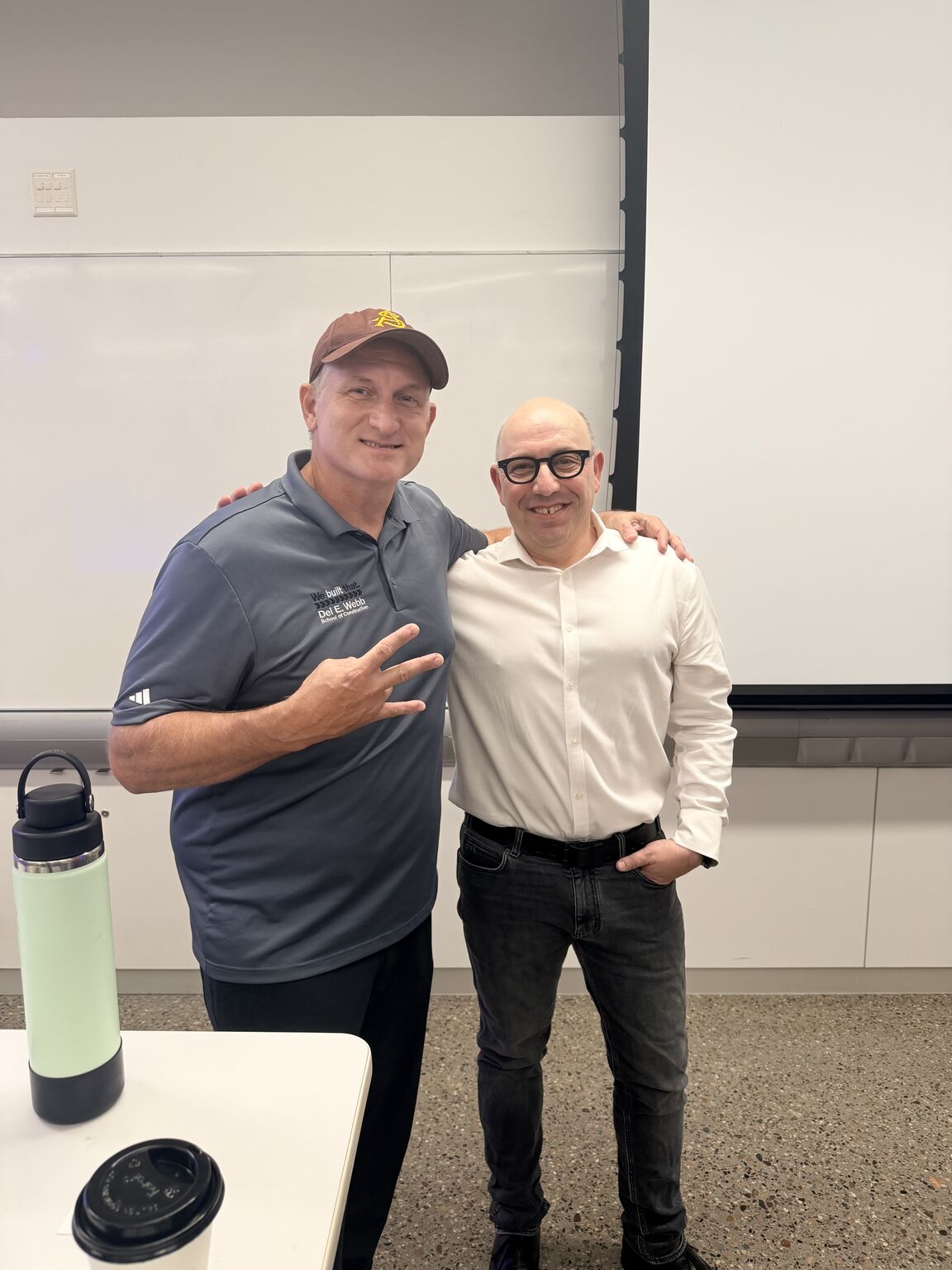
Your go-to training partner
Tell me where your people are getting stuck. I will talk with you, talk with the trainees and help work through what they need next.
A good question often comes after someone tries the work. I provide follow-up coaching so learners can ask questions, review their reasoning and work through the gaps they encounter.
BPV gives your organization a continuing relationship that develops the people, supports your managers and strengthens the team.
We agree the sessions, check-ins and support around your team’s needs and availability.
What working together looks like
Your program connects a starting point, useful practice and follow-through. Your managers and learners know what they are working toward and how we will review progress.
Discuss the roles, the work and the gaps. Talk with learners and managers about what is getting in the way.
Define what someone should be able to explain or do. Select existing modules and adapt the examples.
Use questions, scenarios, approved project documents and coached exercises. Make room for honest uncertainty.
Look at the work, discuss the reasoning and correct the gaps. Give the learner feedback they can use.
Plan check-ins, reinforcement and next steps. Help your managers and future mentors carry the learning forward.
A defined topic, audience and practical outcome. Build a common foundation or work through a specific technical challenge.
Connected modules, coached application and assessment around the work a role or project requires.
A continuing development program that captures experience and builds capability across your organization.
Choose how you learn
Start with the format your team needs. Bring questions, work through examples and leave with a clearer way to approach the work.
Live instruction, discussion and practical exercises with your team.
Discuss a session 02Interactive teaching and Q&A for people working across locations.
Connect your team 03Your roles, approved project examples, standards and development goals.
Build your program 04Guidance, feedback and a continuing relationship as capability grows.
Find your next stepLearn through the project in front of you
I help your team connect instruction to the work they need to perform. We use approved project information and clearly defined learning goals.
For example: what must be checked before testing? How should the controls respond? Which records does the next team need?
Review drawings, requirements, sequences or test records together. Explain the expected result and identify the information still missing.
Practice the agreed task with coaching, then review what you did and why. Any field activity follows the project’s procedures, supervision and each person’s authorized responsibilities.
The training promise has to reach the job
Who has protected time to teach? Who listens when a trainee is stuck? Who checks whether the learning changed the work? These are the questions BPV helps you answer.
of U.S. employees took training or education to develop new skills for their current job in 2024, according to Gallup.
Gallup identifies time away from job responsibilities as the most commonly cited obstacle to development across employees, managers and HR leaders.
Read the research · Gallup, July 2025Agree the learning time, the tasks, the coaching and the evidence. Give your internal mentors a structured partner alongside their project responsibilities.
For the person doing the learning
Understand the why. Ask without embarrassment. Practice with feedback. Build the judgment to take on greater responsibility and help the next person learn.
For the organization developing them
Agree what good looks like, review the evidence and recognize progress. Stronger applied skills can support career growth and earning potential; compensation depends on the role, opportunity and employer.
The Gallup research describes the wider U.S. workforce, not BPV results. These responses describe how a BPV program can be designed with your team.
The business value of developing people
Hiring brings potential.
Development should turn it into useful work.
Extra supervision, corrected deliverables and preventable rework use the capacity of your whole team. BPV builds a deliberate path from learning the role to delivering useful work.
Role-specific modules, coached practice and review of work against agreed criteria are designed to help people contribute sooner. That is the connection between training, team capacity and profitability.
Open a topic to explore the work.
Map responsibilities, learn the systems and explain what good work looks like before taking on the task.
What progress looks like: A clear explanation of the task, its purpose, its boundaries and when to ask for help.
Complete useful work with guidance. Review the result, correct it and explain the reasoning.
What progress looks like: An accepted work product showing that feedback was understood and applied.
Demonstrate a defined task, recognize limitations and escalate the issues that require another decision-maker.
What progress looks like: Repeatable performance, traceable evidence and an appropriate level of supervision.
Complete useful work, reduce avoidable corrections, communicate clearly and share a lesson with the next person.
What progress looks like: Review contribution, support needs and work quality against the agreed starting point.
Time to a first accepted task · Review and rework · Support needed · Reliable work within assigned scope
Set the starting point and review progress together. A 30/60/90-day plan can structure development; profitability and timing depend on the role, starting capability, work opportunities and management support.
An example connected program
An illustrative sequence for a facility delivery team. Each intensive can run over three days, with the final duration and cadence shaped around the audience.
Whole-system orientation, requirements, installation quality, readiness and evidence.
Applied work: review a package and explain a readiness finding.Devices, sequences and networks, including building automation systems (BAS), electrical power monitoring systems (EPMS) and supervisory control and data acquisition (SCADA). Follow the interfaces, data and system response when something fails.
Applied work: trace a point and verify a connected response.Turnover, procedures, metering, key performance indicators, maintenance needs and how connected systems respond together.
Applied work: defend a finding and present the next development step.Establish a baseline. Practice with coaching. Demonstrate selected tasks and explain the evidence. The schedule supports development; it does not replace assessment.
What your organization receives
The engagement defines the materials, reviews and reporting your learners and managers need.
Workbooks, reference material, guided exercises, feedback and development plans.
Starting skill levels, criteria for reviewing work, evidence records, progress summaries and recommendations.
A curriculum that can develop with your standards, project examples, delivery practices and future mentors.
Seller / Doer · Business acumen for technical professionals
Your technical people are expected to build relationships, win work, write scopes, manage effort and lead teams. Those responsibilities need to be taught, practiced and reviewed.
When everyone is busy delivering, development can become a scramble: pick up what you can, from whoever is available, and learn the rest when something goes wrong. BPV helps turn that into a deliberate learning path.
Ask questions that uncover the real need. Know when to listen, when to clarify and when to bring another specialist into the conversation.
Connect the client’s problem to a useful outcome. Explain your approach, communicate its value and agree a sensible next step.
Define deliverables, responsibilities, assumptions and exclusions. Connect effort, fees, risk and change to a deliverable commitment.
Read project health, plan resources, communicate early and handle difficult conversations. Deliver what you promised and keep developing the relationship.
Run a discovery call. Listen for the actual need. Draft a scope. Explain the value. Defend the effort. Respond when the scope changes. Review the result with coaching.
For technical staff growing into client-facing roles, project managers, team leaders, business developers and future business owners. Start from the person’s current responsibility and build from there.
Why partner with BPV?
Choose the development your team needs. Connect knowledge across systems, manufacturers and professional pathways.
Learn the principles that apply across manufacturers, platforms and protocols. Bring your actual systems and requirements into the conversation.
Explore a learning plan around the credential you want, your experience and the knowledge you need to strengthen. Credential eligibility, exams and awards remain with the issuing organization.
Start with a workshop. Continue with mentoring, applied work and feedback when that is what your team needs. The next step follows your progress and priorities.
A few practical questions
Yes. Begin with the roles, systems and delivery needs, then build a shared foundation with relevant pathways for each group. The engagement defines rollout, reporting and program ownership.
No. BPV also supports controls and integration staff, technicians, operators, QA/QC practitioners, project leaders, procurement teams, managers and business development professionals.
Approved project records, sequences, drawings and scenarios can make the learning directly relevant. Confidentiality, permitted use and access are addressed in the engagement.
Through explanations, knowledge checks, reviewed work products, practical tasks and repeat demonstrations. The evidence states the scope demonstrated and where additional guidance remains necessary.
Practice the handoff
Try these short discussion exercises with your team. Explain your reasoning before opening an approach. Then compare what you would do differently.
A sequence changed during the project. The final document shows the change, but the operator does not know why it was made.
What would you preserve so that a future team does not undo a useful decision?
Record the original problem, options considered, reason for the selected approach, supporting evidence and remaining questions. Identify who reviewed the decision. Ask a colleague who was not involved to explain the reasoning back to you. Their questions reveal what the handoff still needs.
A simulated alarm appears after turnover. The operator attended the presentation, but cannot find the agreed response procedure.
What should the operator be able to demonstrate before this handoff is complete?
Define a task for the role. In a discussion or simulation, ask the operator to interpret the alarm, locate the approved procedure, identify the escalation contact and explain the limits of their authority. A technician may need a different task. Review the evidence, improve the job aid and practice again. Plan a refresher when the system, procedure or responsible people change.
The observed control response differs from the documented sequence. Testing is approaching, and several teams are waiting for a decision.
How would you raise the issue without guessing the cause or losing the next action?
State the observation, the applicable requirement and the evidence you have. Explain what remains uncertain. Ask for a named response owner and an agreed response time. Listen to the other team’s explanation, record the decision and confirm what is needed for closure. Practice this exchange with a colleague playing the other role.
Illustrative exercises adapted from Marcus’s writing on knowledge transfer, owner training and communication. These examples do not ask you to operate equipment or establish practical qualification.
Build a session around your team’s handoffsBefore you commit
A useful training proposal should make these details clear. Bring your goal, and we can work through the scope together.